Getting a driver’s licence in Canada as a newcomer
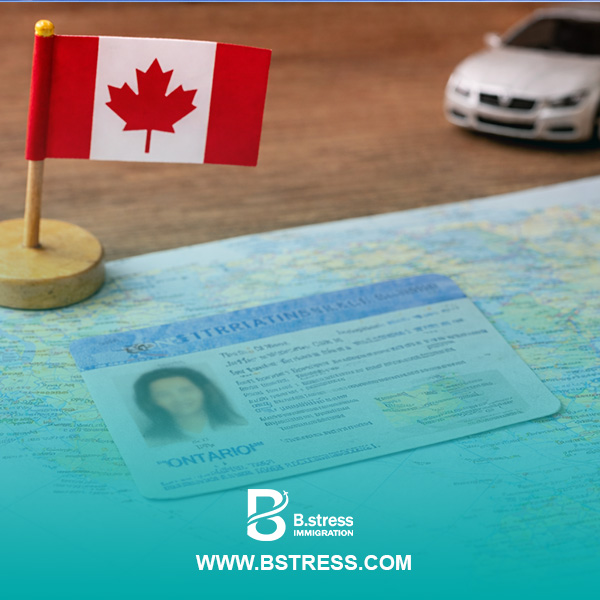
One of the first things you need in Canada, especially as a newcomer, is a valid driver’s licence. You might assume you can keep driving on your licence from home, but driving rules in Canada are provincial and every province has its own regulations. In most provinces, newcomers can drive on their previous country’s or province’s licence only for a limited time. After that, they must exchange it for a licence from that province or go through the process of getting a new one. This period is usually 60 to 90 days, and driving without a provincial licence after that can lead to fines and legal problems.
Canada’s provinces have licence exchange agreements with some countries. If your licence was issued in one of those countries and you have an acceptable driving record, you may be able to get a Canadian licence without a test or with only a simple test. If your country is not covered, you usually have to pass a knowledge test and then a road test.
To get or exchange a licence, you usually need proof of legal status in Canada, proof of address, your previous licence and sometimes a certified translation or driving record. An official driving record from your home country can make a big difference to the licence level you receive.
The best advice is to check the rules of your province before you drive. Your province’s official licensing website is the simplest and most reliable source for the latest rules.
| Province / major cities | How long you can use a foreign licence after becoming a resident | Exchanging your licence | Key documents / notes |
|---|---|---|---|
| British Columbia (Vancouver, Richmond, Burnaby…) | Usually up to 90 days with a valid licence from another country or province (ICBC) | After that you must get a BC licence; depending on your country, tests may be required | A driving record can help you get a higher licence level |
| Ontario (Toronto, Ottawa…) | You usually have 60 days to get an Ontario licence (DriveTest) | Some countries qualify for a direct exchange; otherwise you go through graduated testing | The exact rules depend on the issuing country and your driving history |
| Quebec (Montreal, Quebec City…) | Rules are managed by the SAAQ | Depending on your country and situation, an exchange or tests may be required | Usually requires status and ID documents, your licence and sometimes a translation or driving record |
If you plan to drive, first visit your province’s official website and check the “exchange / apply for a driver’s licence” section, which lists the exact details: eligible countries, translation requirements, tests and fees.
Types of driving tests in Canada
Getting a driver’s licence in Canada usually involves two main tests: a knowledge test and a road test. The details vary by province, but the overall structure is similar everywhere.
The knowledge test is the first step. It is taken on paper or on a computer and covers traffic laws, signs, right of way, speed limits, driving in conditions like snow and rain, and safety. You need to answer a set percentage of questions correctly to pass. In many provinces the test is available in several languages, and you can prepare with handbooks and online practice tests.
After passing the knowledge test, you move to a learner licence, which comes with restrictions, such as needing an experienced driver beside you or not driving at certain hours.
The second step is the road test, which checks your real driving skills. The examiner assesses your vehicle control, how you follow the rules, use mirrors, yield, park (for example, parallel parking), change lanes and handle city traffic. Staying calm, following the rules and driving safely matter much more than speed or overconfidence.
Many provinces use graduated licensing: after the first road test you drive with a restricted licence for a period and then take a final road test to get a full licence.
If you have a valid driving record from another country, some of these steps may be skipped or you may only need one test. That’s why providing proof of your driving experience can make the process much easier.
Your driving experience from Iran or another country
| Type of driving history | Effect in Canada |
|---|---|
| Driving history from Iran or another country | Some steps may be skipped |
| Official driving record / letter of experience | Shorter testing timeline |
| Certified translation of your licence | Very helpful |
| No driving history | Start at the learner stage |
Documents you will need
- ID and proof of immigration status (such as a PR card, work permit or study permit)
- proof of address in the province (a bill, lease, bank letter, etc.)
- your current licence (with a certified translation if needed)
- a driving record or abstract (very helpful in some provinces)
Types of driver’s licence classes in Canada
Class names vary slightly between provinces, but their meaning and use are broadly the same.
| Licence class | Vehicle | Description | Experience / requirements |
|---|---|---|---|
| G1 / Learner | Passenger car | Initial learning stage; drive only with an experienced, fully licensed driver; limits on night and highway driving | Pass the knowledge test |
| G2 / Novice | Passenger car | Independent driving with restrictions; zero alcohol | Pass the first road test; at least 8–12 months as a learner |
| G (full) | Passenger car | Full licence without restrictions | Pass the final road test; usually 1–2 years in graduated licensing |
| Class 5 | Passenger car | Equivalent to G in many provinces | Full driving experience |
| Class 4 | Taxi, ride-hailing, passenger vans | Carrying passengers; for professional drivers | Driving record without serious violations + medical exam |
| Class 3 | Medium trucks | Single-axle trucks | Driving experience + road test |
| Class 1 | Semi-trailers and heavy trucks | Heavy commercial vehicles | Significant experience + specialized training |
| Class 6 | Motorcycle | All types of motorcycles | Separate knowledge and road tests |
Key tips for newcomers
- A valid driving record can shorten the time it takes to get a full licence
- Driving laws in Canada are very strict
- Traffic violations directly affect your insurance and your record
- Your licence class also affects your insurance cost
Expert immigration advice
Expert advice at B.stress Immigration starts with our free assessment form. Fill in the free assessment form now.